Free standard shipping on orders over $149.97
Free up indoor space and skip the vent pipe. Outdoor tankless water heaters mount on an exterior wall and vent straight to open air.
Showing 1–12 of 42 results
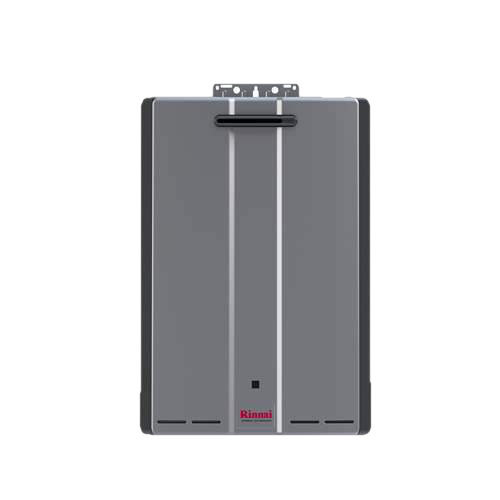
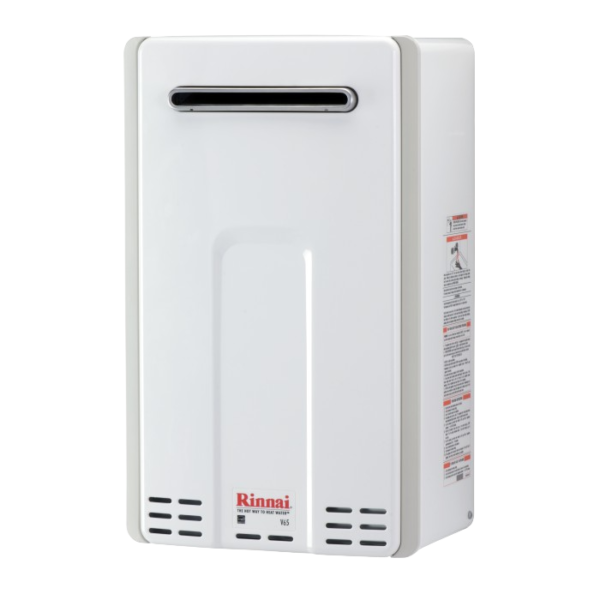
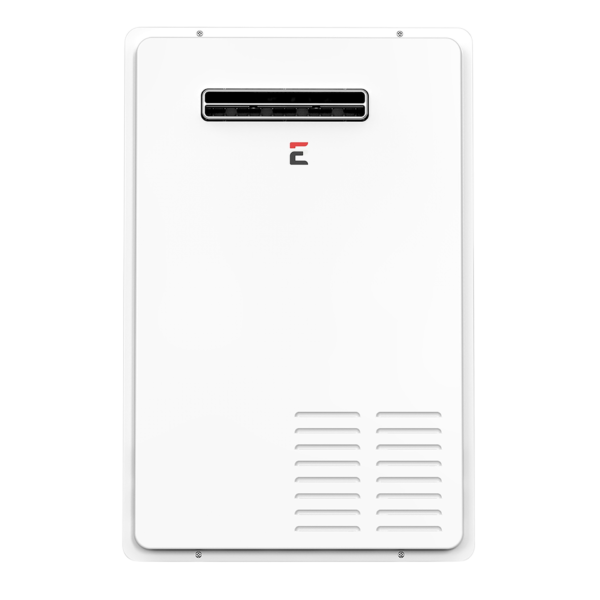
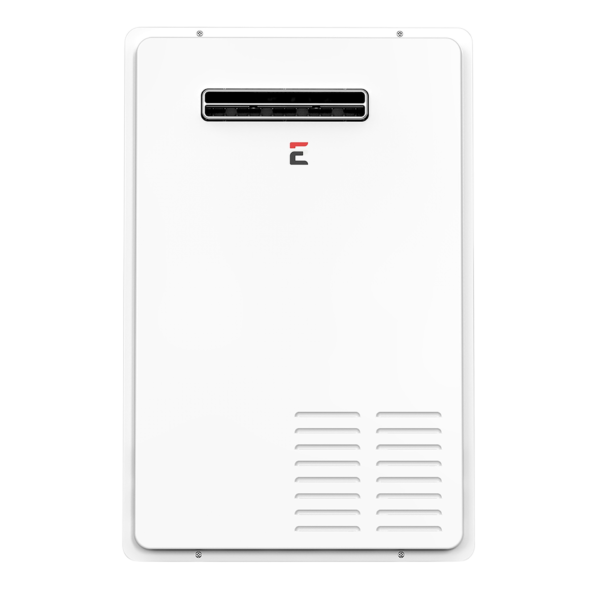
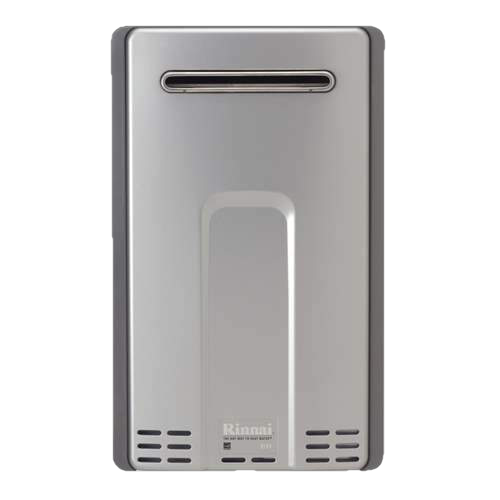
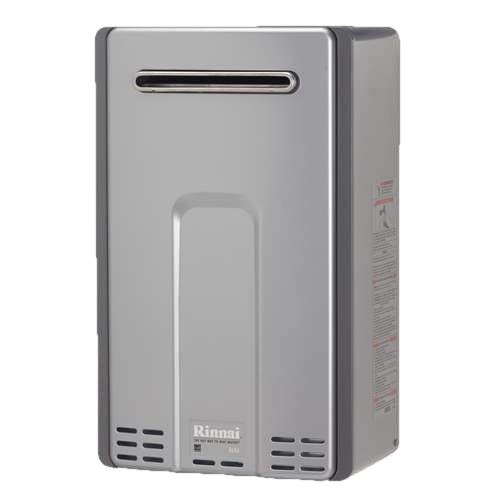
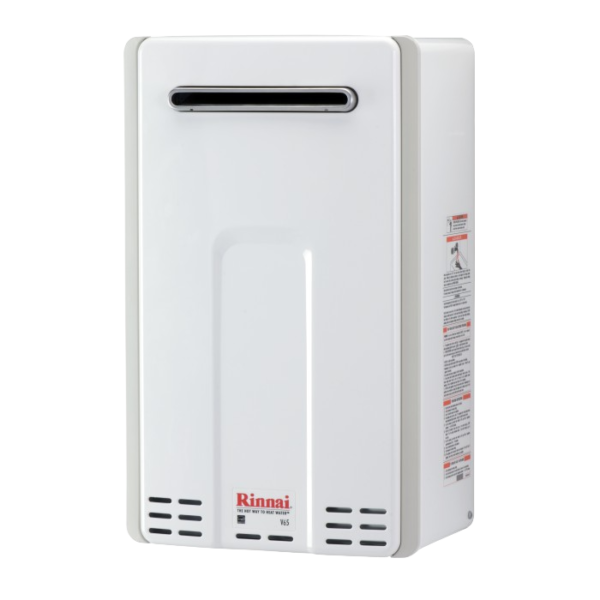
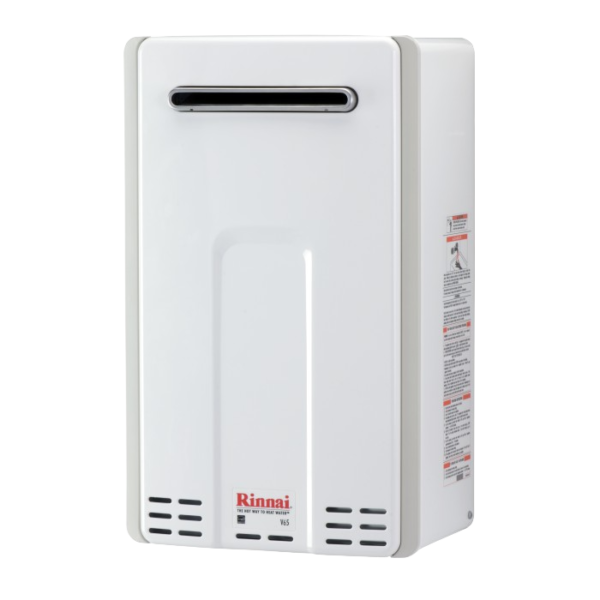
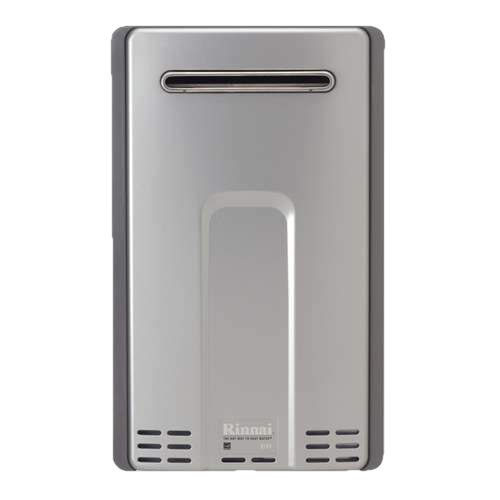
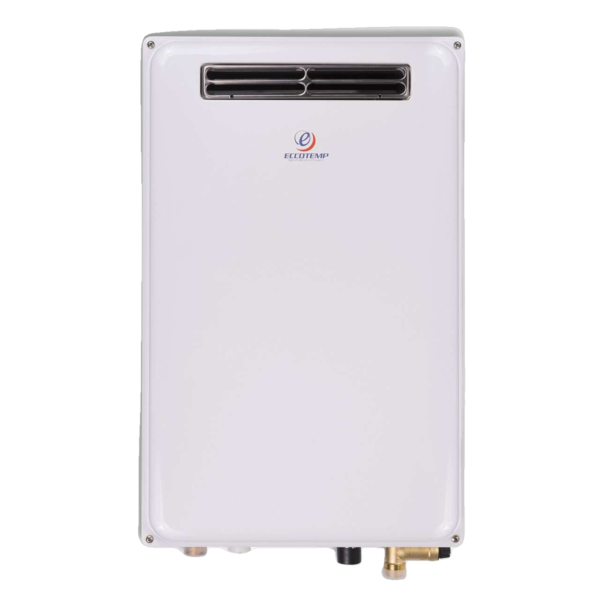
An outdoor tankless water heater has a weather-resistant cabinet and vents exhaust straight out of the front of the unit. There is no vent pipe through your roof or wall, no need for indoor combustion air, and no unit taking up space in a closet or garage. That often makes installation simpler and cheaper, especially when replacing a tank in a crowded utility room.
| Outdoor | Indoor | |
|---|---|---|
| Venting | Built-in, no vent pipe | Direct vent through wall or roof |
| Space | Frees indoor space | Needs wall space inside |
| Climate | Best in warm to mild areas | Any climate |
| Freeze risk | Needs power for freeze protection; protect pipes | Low if space stays above freezing |
| Condensate | Condensing outdoor units need a drain that won't freeze | Drain to indoor drain or pump |
Most outdoor tankless water heaters burn natural gas or propane. A few electric units are rated for exterior installation in mild climates; check the enclosure rating carefully. Brands such as Rinnai and Navien make outdoor versions of their main models, often with an "E" or "eN" in the model number.
They are built with electric freeze-protection heaters that work down to the temperature listed in the manual (often around −4°F to −22°F with no wind). They only work while the unit has power and gas. In a long power outage in freezing weather, drain the unit.
They are most common in warm and mild climates. In very cold regions, an indoor unit is usually a better choice because exposed water lines can freeze and the unit works harder. Pipe insulation and heat tape are essential if you install outdoors.
No separate vent pipe is needed. The unit exhausts directly outdoors, but it must meet clearance rules from windows, doors, vents and corners listed in the manual.