Free standard shipping on orders over $149.97
Endless hot water where there is no natural gas line. Propane tankless water heaters suit rural homes, cabins, workshops, RVs and outdoor showers.
Showing 25–36 of 60 results
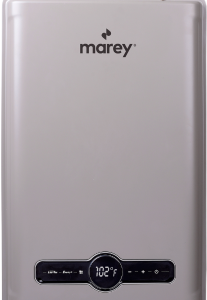
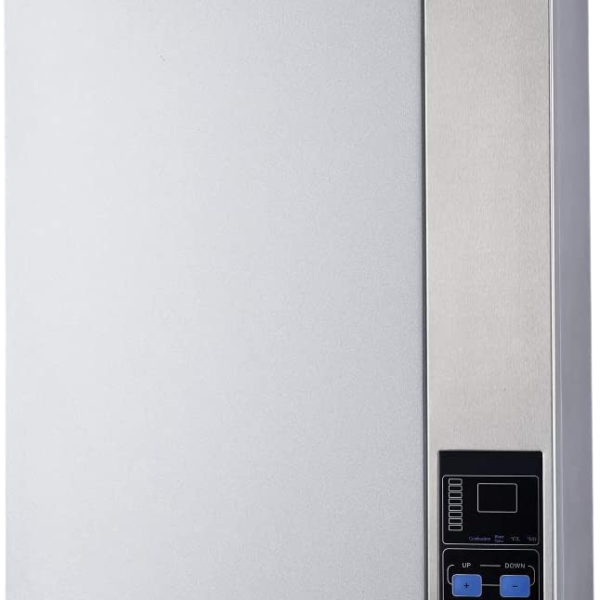
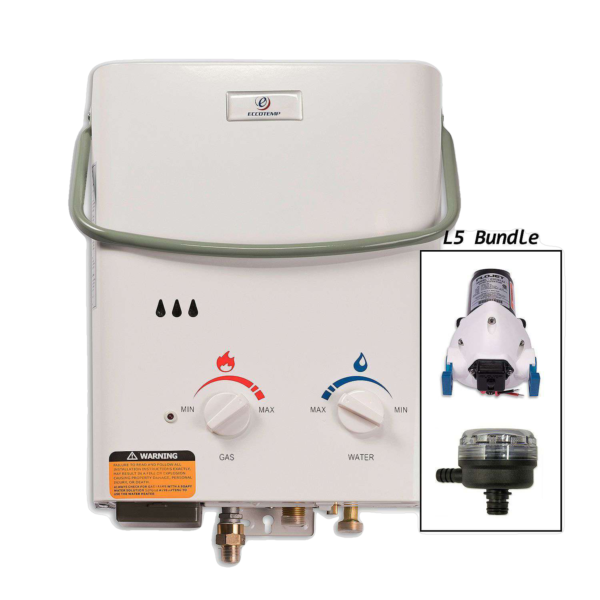
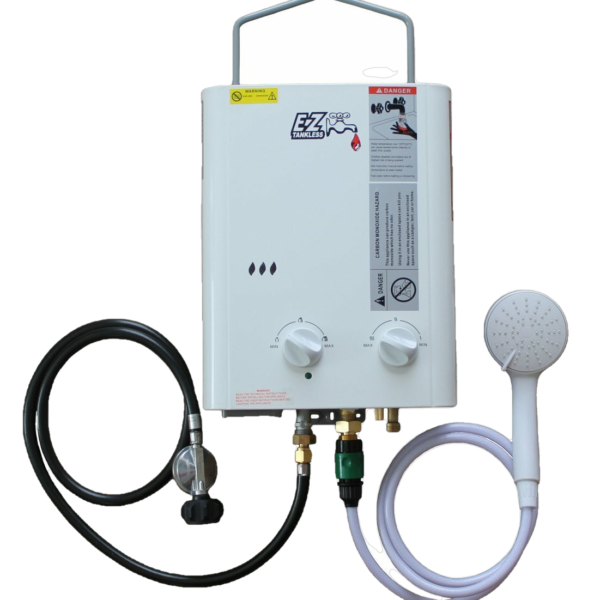
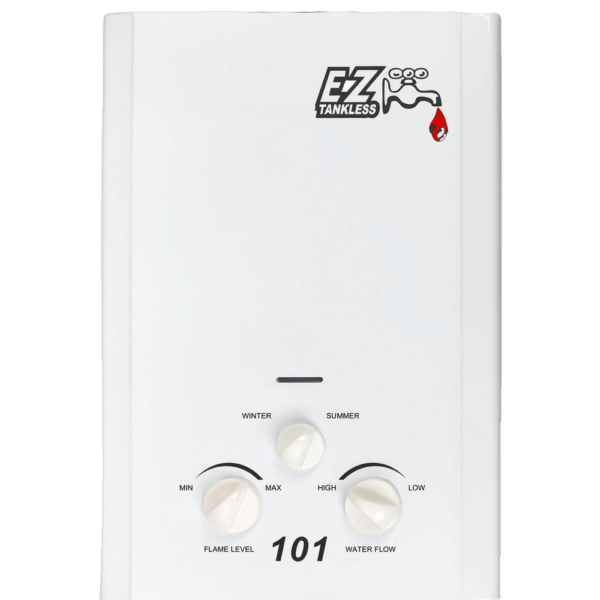
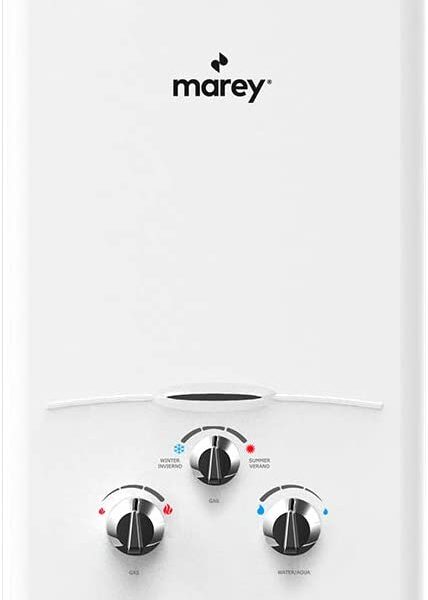
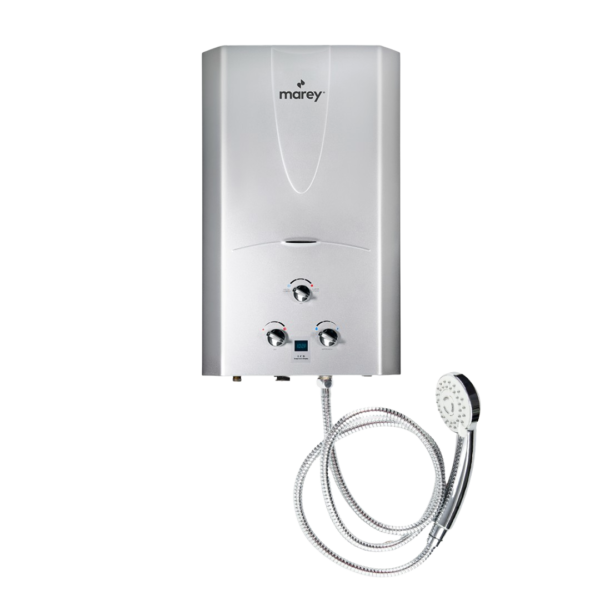
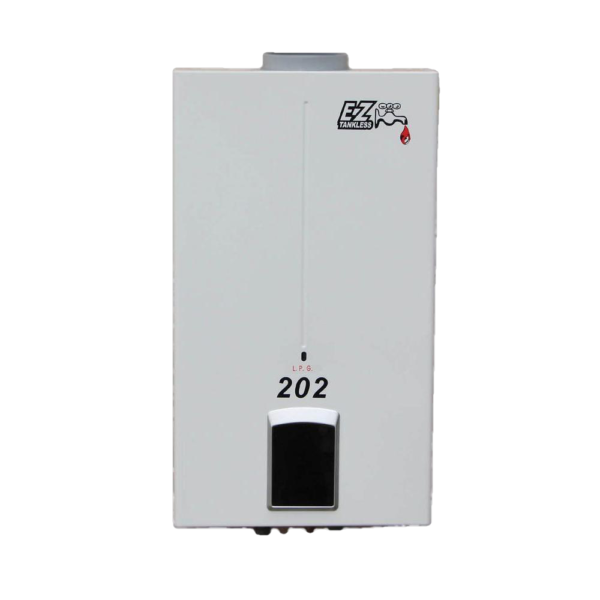
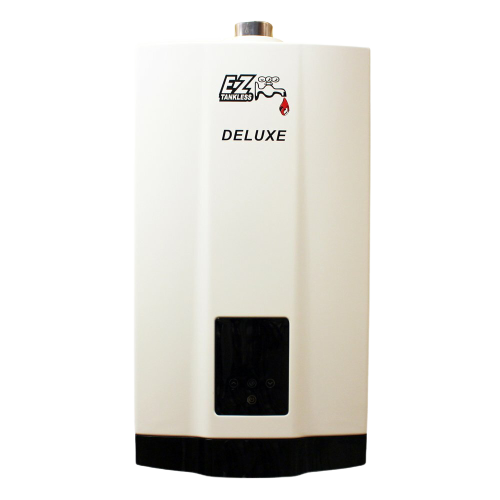
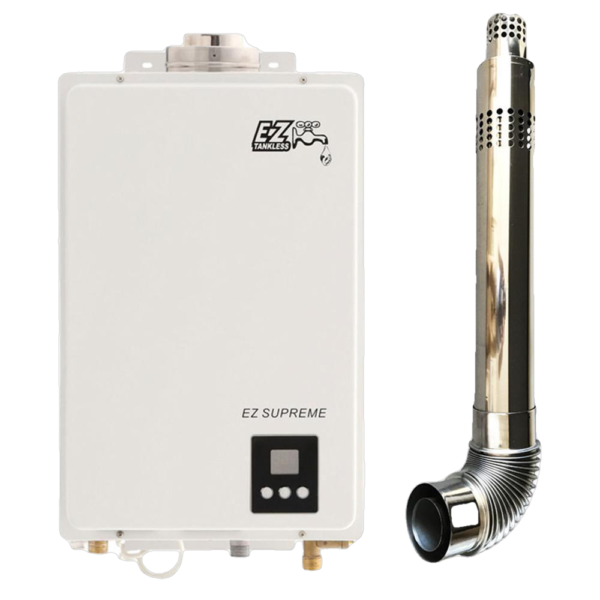
A propane tankless water heater (also called an LP on demand water heater) works like a natural gas model: a burner fires the moment hot water flows and shuts off when you close the tap. Propane carries more energy per cubic foot than natural gas, and these units are popular wherever homes run on a propane tank.
Other names for the same thing include propane on demand water heater, on demand propane water heater, propane instant water heater, liquid propane water heater, lp tankless water heater and lp gas tankless hot water heater. All of them give you propane hot water on demand without a storage tank.
| Type | Typical input | Flow | Use |
|---|---|---|---|
| Portable / outdoor | 30,000–80,000 BTU | 1.5–3 GPM | Camping, outdoor showers, barns |
| RV / camper | 40,000–60,000 BTU | 1.5–2.5 GPM | Travel trailers and motorhomes |
| Indoor whole house | 120,000–199,000 BTU | 5–11 GPM rated | Primary home water heating |
| Outdoor whole house | 120,000–199,000 BTU | 5–11 GPM rated | Mild climates, no indoor vent |
Portable and outdoor-only units must never be used indoors. For RVs, see our RV and portable tankless water heaters.
Whole-house propane units are sized just like natural gas units: add the flow of fixtures used at the same time and check the flow at your winter temperature rise. A 199,000 BTU condensing unit typically delivers about 5–5.5 GPM at a 70°F rise. Use the sizing calculator for your home.
An indoor propane tankless water heater must be a model listed for indoor use with a sealed vent; never bring an outdoor on demand lp gas water heater inside.
Propane units deliver much more flow than electric units in cold climates and don't need a 150-amp electrical upgrade, but propane prices vary widely and you need a tank. Compare running costs in gas vs electric tankless water heaters.
Fuel type (must say LP or propane), BTU input, rated GPM and the rise it was measured at, indoor or outdoor rating, vent type, UEF, freeze protection, warranty and condition. If anything is missing, ask us before you buy.
One gallon of propane holds about 91,500 BTU. A 150,000 BTU unit running at full fire uses about 1.6 gallons per hour, but it only burns gas while hot water is flowing. A typical family using 40–60 gallons of hot water a day may use roughly 8–15 gallons of propane a month for water heating, depending on climate, usage and efficiency.
Yes, if it is an indoor model installed with the manufacturer's approved direct-vent system and proper combustion air. Never use an outdoor or portable unit indoors. Read the venting guide.
No, not without an approved conversion. Propane units use different gas valves and orifices. Buy the LP version, or use the manufacturer's conversion kit installed by a qualified technician.
Small portable units can run from a 20 lb cylinder. Whole-house units usually need a larger tank, often 120–500 gallons, and a correctly sized regulator and line so the tank can vaporize enough gas in cold weather. Your propane supplier can size it.