Free standard shipping on orders over $149.97
Enough continuous hot water for the whole family. Choose a whole house tankless water heater by the flow you need at your winter temperature rise.
Showing 61–72 of 96 results
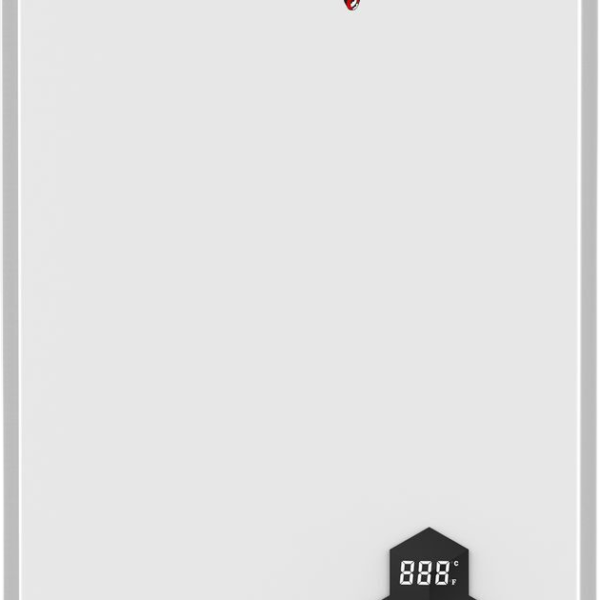
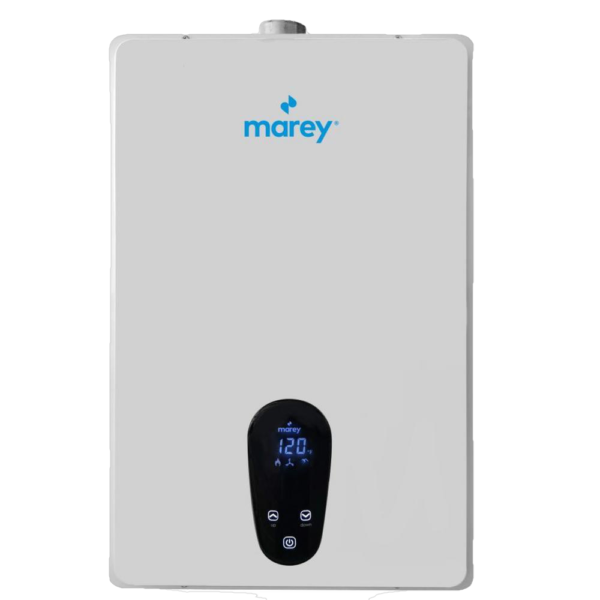
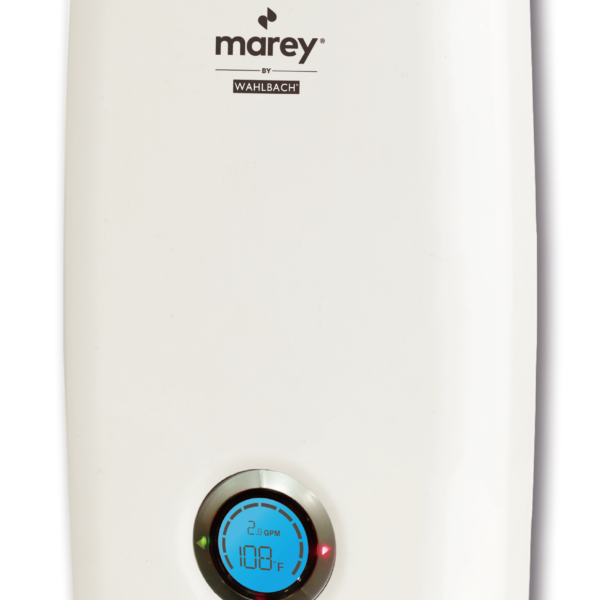
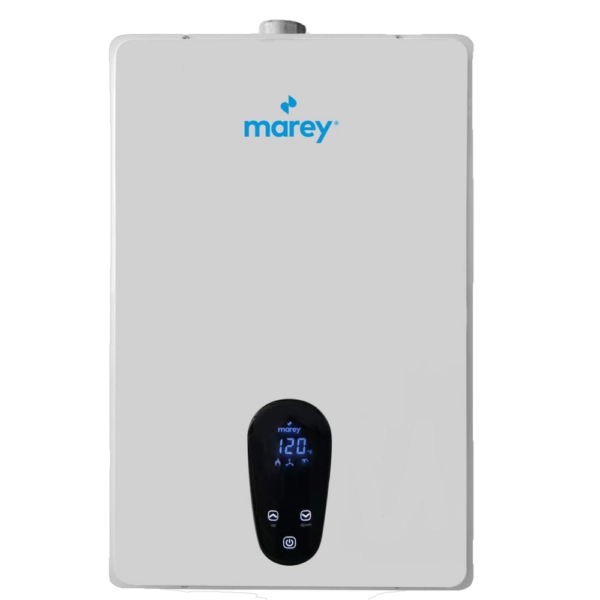
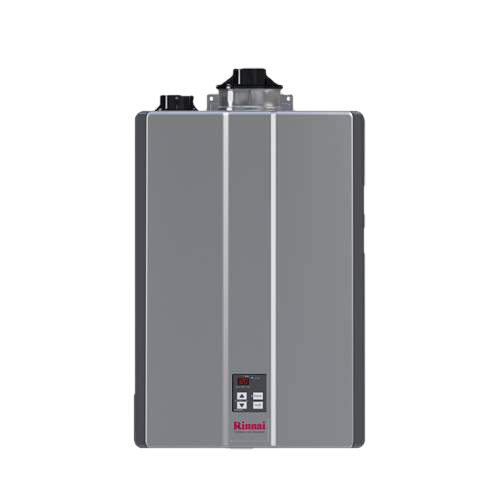
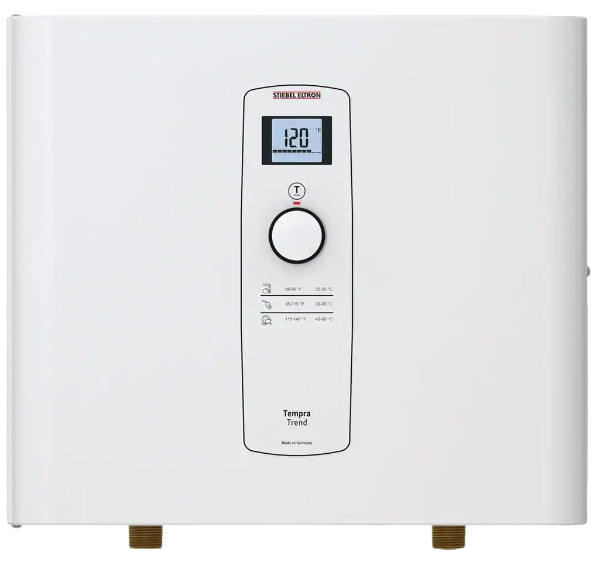
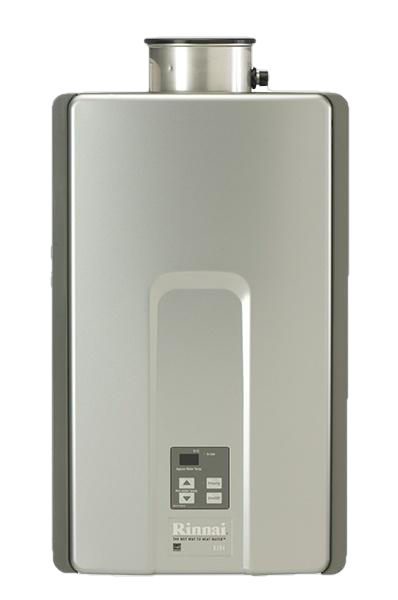
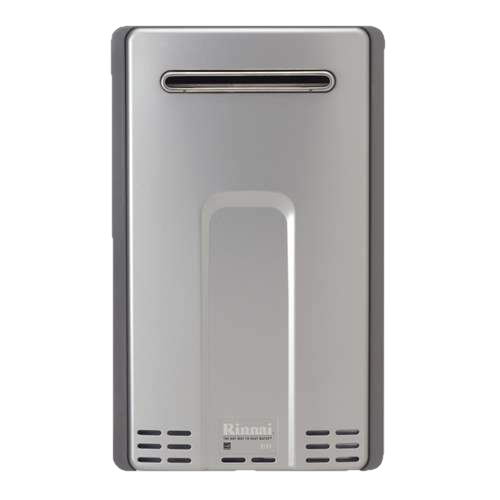
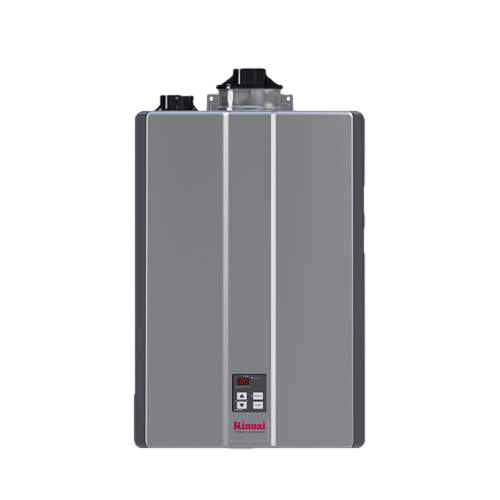
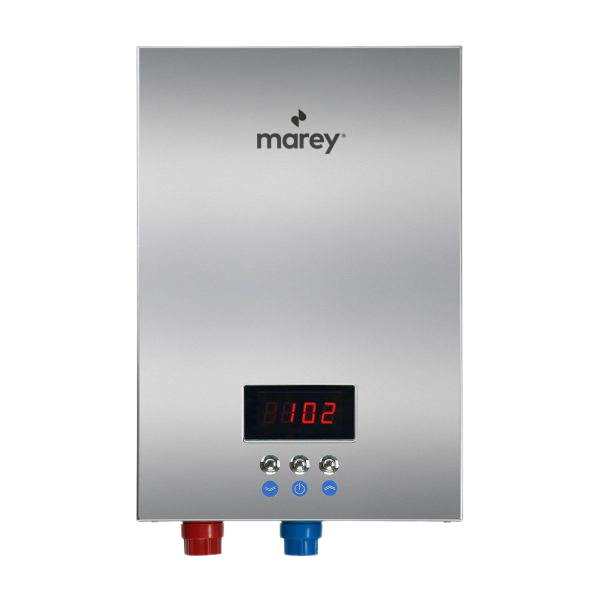
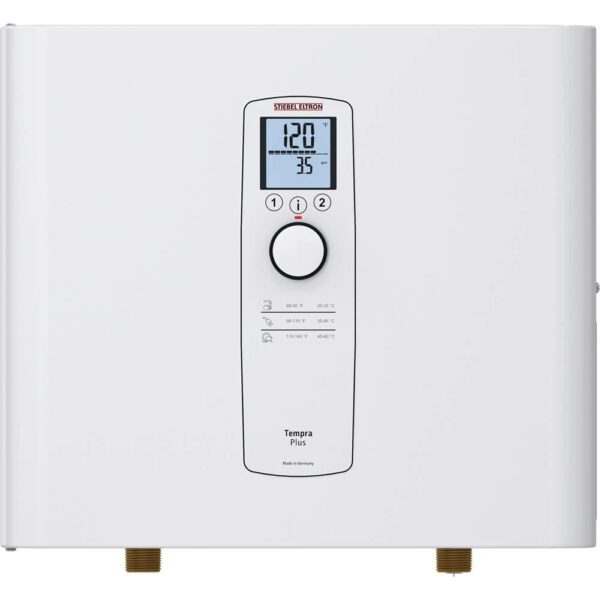
A whole house tankless water heater has enough heating power to supply several fixtures at once, typically two showers plus a faucet or appliance. For gas and propane that means roughly 150,000–199,000 BTU; for electric, 24–36 kW. Smaller units are better suited to point-of-use jobs.
Also called a whole home tankless water heater or whole house water heater tankless, these units are sized for peak family demand rather than a single fixture.
| Household | Peak use | Gas / propane | Electric |
|---|---|---|---|
| 1–2 people, 1 bath | 2.5–3.5 GPM | 120,000–150,000 BTU | 18–24 kW |
| 3–4 people, 2 baths | 4–6 GPM | 160,000–199,000 BTU | 27–36 kW (warm climates) |
| 5+ people, 3+ baths | 6–9 GPM | 199,000 BTU or two units | Usually not practical in cold climates |
These ranges assume modern low-flow fixtures. Cold groundwater in northern states reduces flow, so size for winter. Our sizing guide and calculator shows the math.
Shop natural gas, propane or electric whole house tankless water heaters. Not sure if tankless is right for your family? Read tankless vs tank water heaters.
Most two-bathroom homes need about 5–7 GPM at their winter temperature rise. That usually means a 160,000–199,000 BTU gas or propane unit, or a 27–36 kW electric unit in warm climates. Use our sizing calculator for your home.
A single 199,000 BTU unit covers most homes with up to three bathrooms in mild climates. Larger homes, or homes in cold climates, can link two units so they share the load and back each other up.
Gas or propane is usually better for whole-house use in cold climates because it delivers more flow. Electric can work well in warm climates if the home has enough electrical capacity. See gas vs electric.